A broken gate, damaged trailer panel or loose metal connection can leave you with the same question: should you repair the existing piece or start over? Mobile welding can bring the work to your location, but convenience is only one part of the decision. The condition of the surrounding metal, the purpose of the component, access and the expected service life matter just as much.
This guide helps property owners and project coordinators organize that decision. It is a planning resource, not a method for assessing structural safety remotely. A photograph can start a conversation; it cannot establish that a damaged load-bearing component is safe. The most useful first step is to describe what the item does and how the damage happened.
The short answer
Consider repair when the damage appears localized and the surrounding assembly may still be serviceable. Consider replacement when deterioration is widespread, the item no longer suits its intended purpose or repeated repairs have not addressed the underlying problem. The final choice should follow an assessment of the actual component. A small visible crack can matter more than a large cosmetic dent, depending on what each part supports.
Mobile service is especially useful when moving the item would be difficult or when its connection to the surrounding structure needs attention. Shop fabrication may be preferable for an item that needs extensive reconstruction or controlled finishing. Some projects benefit from a combination: fabricate a replacement section off-site, then bring it to the property for fitting and installation.
Start with the function, not the appearance
Two pieces of steel with similar damage can require very different decisions. A decorative panel, a handrail and a structural connection do not have the same role. Tell the contractor whether the item supports people, restrains equipment, moves during use or carries a load. Describe normal use and any changes you intend to make. A repair suitable for a decorative cover is not automatically suitable for a trailer frame.
Avoid describing every problem simply as a broken weld. A joint may have separated because the surrounding metal deteriorated, a mounting point moved or the assembly experienced an impact. Those possibilities affect the scope. Your job as the customer is not to diagnose the cause. It is to provide the history that helps the person evaluating the work ask better questions.
Separate local damage from a broader condition
Localized damage is concentrated in a limited area. Examples might include one bent panel or a damaged attachment on an otherwise serviceable assembly. Broader deterioration can involve several connections, multiple rusted sections or a mounting surface that no longer provides suitable support. The visible problem may be only part of what needs to be addressed.
Look at the item from a safe distance and photograph the whole assembly as well as the affected area. Do not remove supports, climb onto a damaged structure or load a component to demonstrate the problem. Tell the contractor about rust, previous repairs and areas you cannot inspect. If an item could fall or fail during use, keep people away and arrange an appropriate on-site assessment before using it again.
When a repair conversation makes sense
A repair conversation can be worthwhile when you want to preserve an existing design, replace a limited section or restore a connection after a specific incident. Keeping usable parts may reduce the amount of new fabrication. It can also help maintain a consistent appearance with nearby metalwork. Whether those advantages apply depends on access, material condition and the work needed to prepare the repair area.
Ask what the proposed repair includes beyond welding. Does it involve removing damaged material, fitting a new section, correcting alignment or restoring a finish? A quote described only as welding may leave those tasks unclear. A useful scope identifies the component being repaired and the intended result without pretending that hidden conditions can be fully known before inspection.
When replacement deserves serious consideration
Replacement may be the more practical route when a piece has deteriorated in several places or no longer meets your project requirements. Repeated repairs can become a cycle if the underlying cause remains. A new assembly may also make sense when you are changing an opening, redesigning a railing or replacing the surface to which the metalwork attaches.
Compare complete options rather than a repair weld against the price of a fully finished new item. A repair can involve removal, preparation, replacement sections, refitting and coating. Replacement can involve demolition, disposal, fabrication and installation. Ask what useful material can be retained and what would still need attention under either option. The goal is a clear decision about the whole assembly, not the lowest isolated line item.
Understand what mobile welding changes
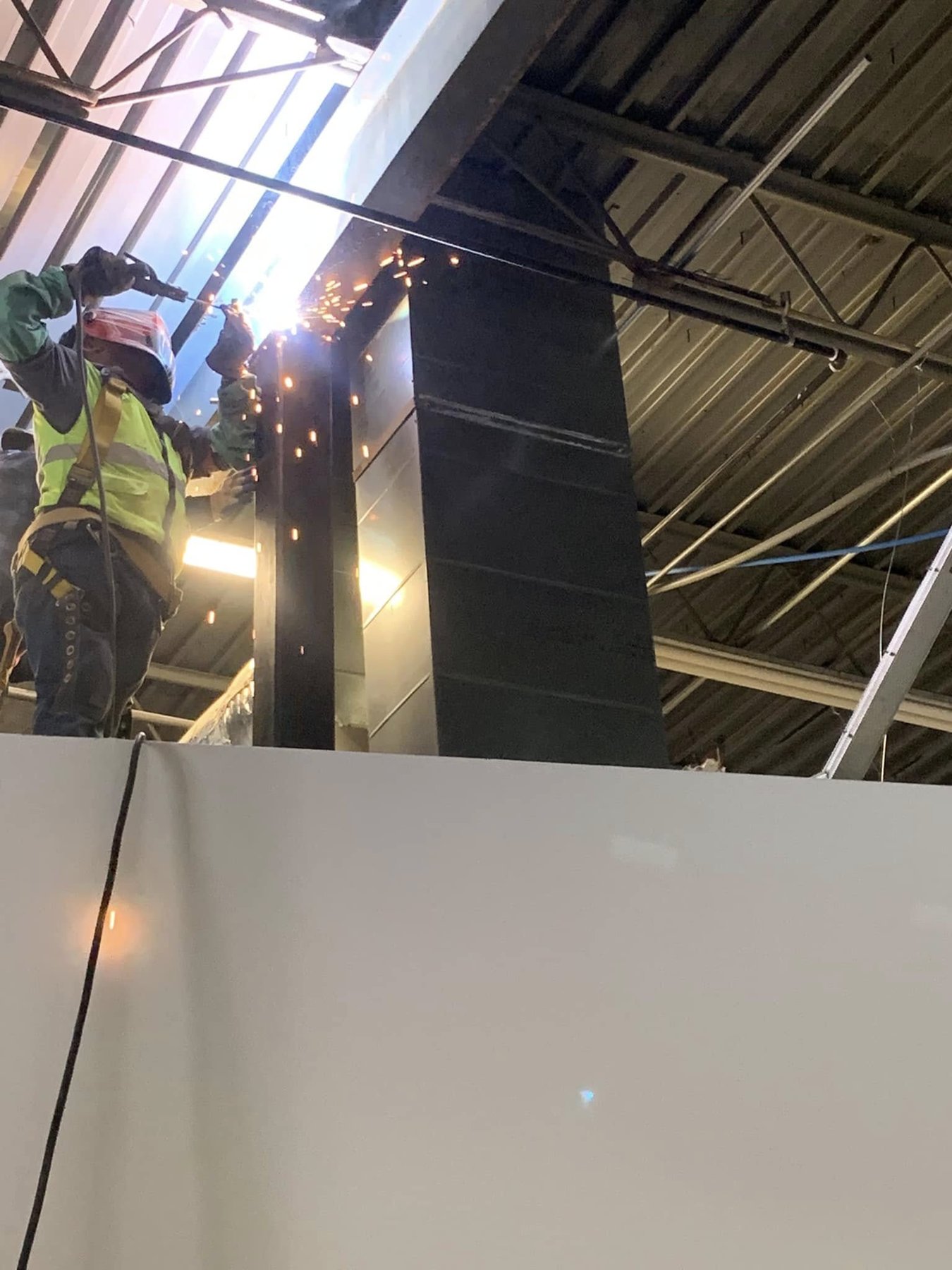
Mobile welding brings tools and welding capability to the job location. That can help with fixed metalwork and items that are inconvenient to transport. It does not remove the need for suitable access, workspace or an assessment of site conditions. Parking, the distance to the work area and nearby activities can affect the plan.
Tell the contractor if the item is inside an occupied building, above ground level, near parked vehicles or behind a restricted entrance. Explain whether other trades will be working nearby. Do not assume that a household outlet is appropriate or that a particular power supply is required; ask what the contractor needs for the specific job. These details allow the proposed approach to reflect the property rather than an idealized work area.
Make a useful photo package
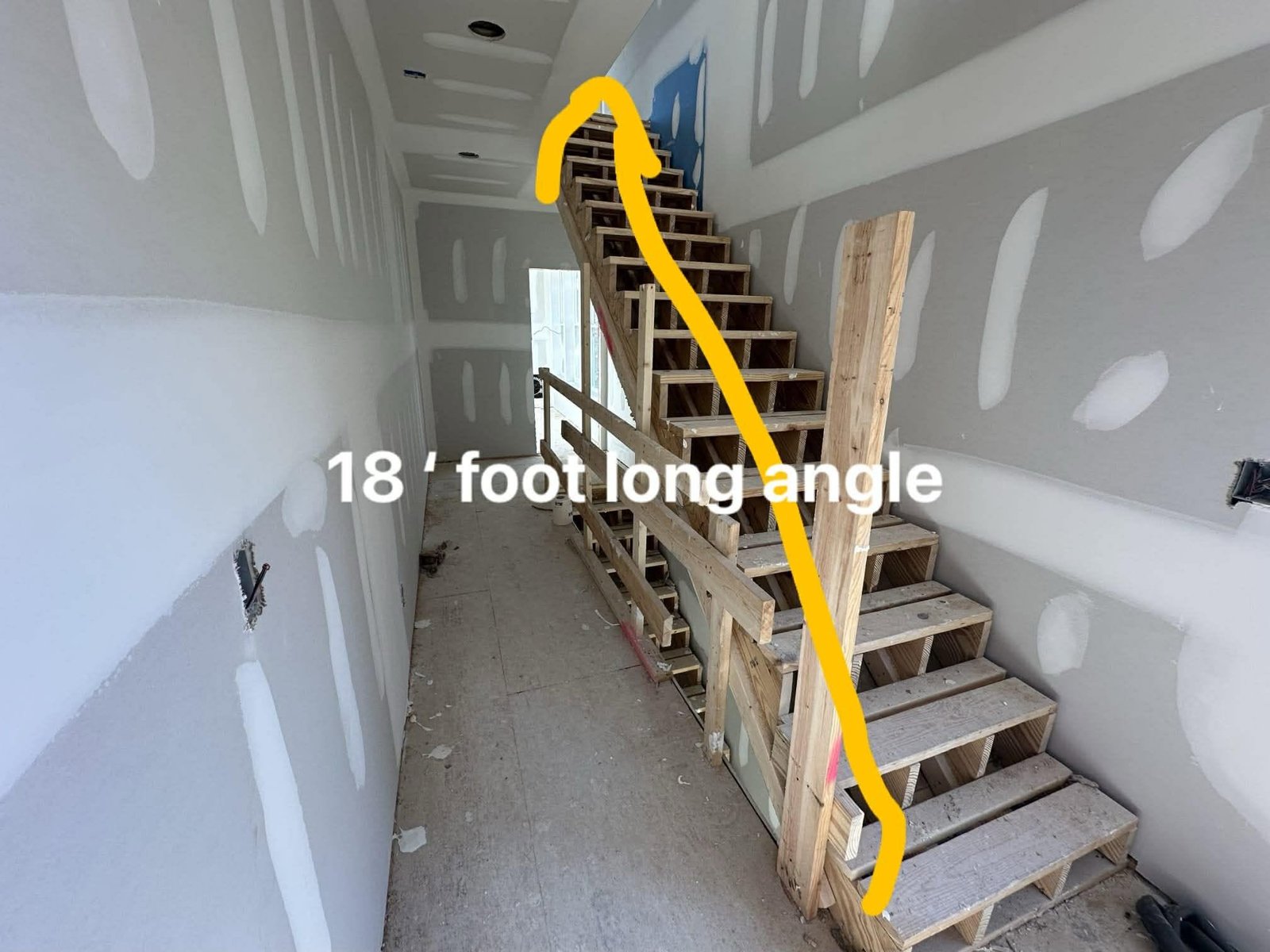
Begin with a wide photo showing the entire item and its surroundings. Add a medium-distance view that shows where the damage sits within the assembly. Then include a close view, taken safely, of the affected area. If there are several issues, number the photos and identify each one in a short message. A clear sequence is easier to understand than many nearly identical close-ups.
Include the opposite side when it is safely accessible, plus pictures of attachment points and nearby obstructions. Mention approximate dimensions and whether those dimensions were measured or estimated. Avoid including people, license plates, entry codes or unrelated private information. If you are sharing drawings owned by someone else, confirm that you have permission. The initial package should help define the project without exposing more information than necessary.
Explain the history in plain language
A short timeline can be more useful than a technical guess. Say when you first noticed the issue, whether there was an impact and whether the item has been repaired before. Explain whether it currently moves, sags or no longer fits as it did. Mention any unusual change, but do not perform a test or operate damaged equipment just to capture it on video.
Also describe your intended outcome. Do you want the item restored to its earlier configuration, modified for a different use or replaced with a new design? If the intended use changes, that is a new requirement rather than a minor detail. Let the contractor know before a repair is priced. A change in function can affect the suitability of the existing assembly and the need for additional professional input.
Compare quotes by scope
A useful quote comparison checks whether each proposal covers the same work. Look for identification of the damaged component, preparation, replacement material, installation, finishing and any exclusions. Clarify whether travel, access equipment or removal are included where relevant. Ask how unexpected deterioration discovered during the work would be handled and who approves a change.
Do not compare proposals only by the number of welding hours. One plan might include replacing compromised material while another assumes it can remain. Likewise, a finish described as touch-up may differ from refinishing the entire assembly. If you cannot explain the difference between two proposals, ask each provider to describe their approach in ordinary language. A lower number is meaningful only when you understand what it purchases.
Coordinate the site before the appointment
Agree on access arrangements and identify the person who can authorize decisions. Tell the contractor about building management rules, restricted hours, nearby occupants and any relevant site documentation. If the property belongs to someone else, obtain permission for the proposed work. A confirmed appointment should not be the first time the contractor learns that the work area is inaccessible.
Welding involves hazards that must be assessed and controlled by the people responsible for the work. OSHA identifies concerns including fumes, radiation, burns and electrical shock. Let the contractor determine the appropriate work practices and precautions. Do not prepare coated surfaces, move fuel containers or disconnect equipment based on assumptions. Ask for specific preparation instructions appropriate to your site, and keep uninvolved people away from the work area.
Discuss finish and follow-up care
A repair is not complete visually just because the metal connection has been addressed. Ask how exposed areas will be finished and whether the result is intended to match adjacent surfaces. Existing color, weathering and texture may make an invisible match unrealistic. Agree on the intended appearance before work begins, especially for a prominent railing or entrance feature.
Ask for care instructions relevant to the selected finish and setting. Discuss what to watch for at the repaired area and surrounding connections, and how to report a change. Do not paint over a recurring crack or movement to make it less noticeable. New signs of damage deserve a fresh assessment. Care requirements should follow the materials and finish actually used, not a generic maintenance promise.
A practical example: repairing a trailer panel
Imagine a trailer with a damaged side panel. The first question is whether the issue is limited to the panel or also affects the frame, connections or moving parts. Photos can help identify the area for discussion, but they cannot certify the trailer for use. Explain how the damage occurred, whether it has changed and what you need the trailer to do afterward.
A proposal might focus on replacing a panel while retaining other serviceable parts, or it might identify a wider scope after inspection. Neither outcome should be assumed from a before-and-after photo of a different project. Discuss removal, fitting, finish and any evaluation needed for load-bearing components. This example illustrates how to frame the conversation; it is not a diagnosis of a particular trailer or a promise of repairability.
Frequently asked questions
Can you give a firm quote from a photo?
Photos can support an initial discussion, but hidden deterioration, material identification and access may require an on-site assessment. Ask whether a number is preliminary or a firm proposal for a defined scope. Provide the location and useful photos together so the conversation covers both the object and the job conditions.
Is repair always cheaper than replacement?
No. Preparation, fitting, removal and finish work can make a complicated repair less practical than replacing the affected section or assembly. Compare the full scope and expected outcome. Avoid choosing solely on the assumption that retaining old metal must always cost less.
What should I send first?
Send the type of item, the problem, a wide photo, a close photo, approximate dimensions, the project location and your preferred timing. Explain whether you need repair, modification or a replacement option. Ask the contractor to confirm service availability for the location rather than assuming coverage from a phone number.
Start your repair conversation
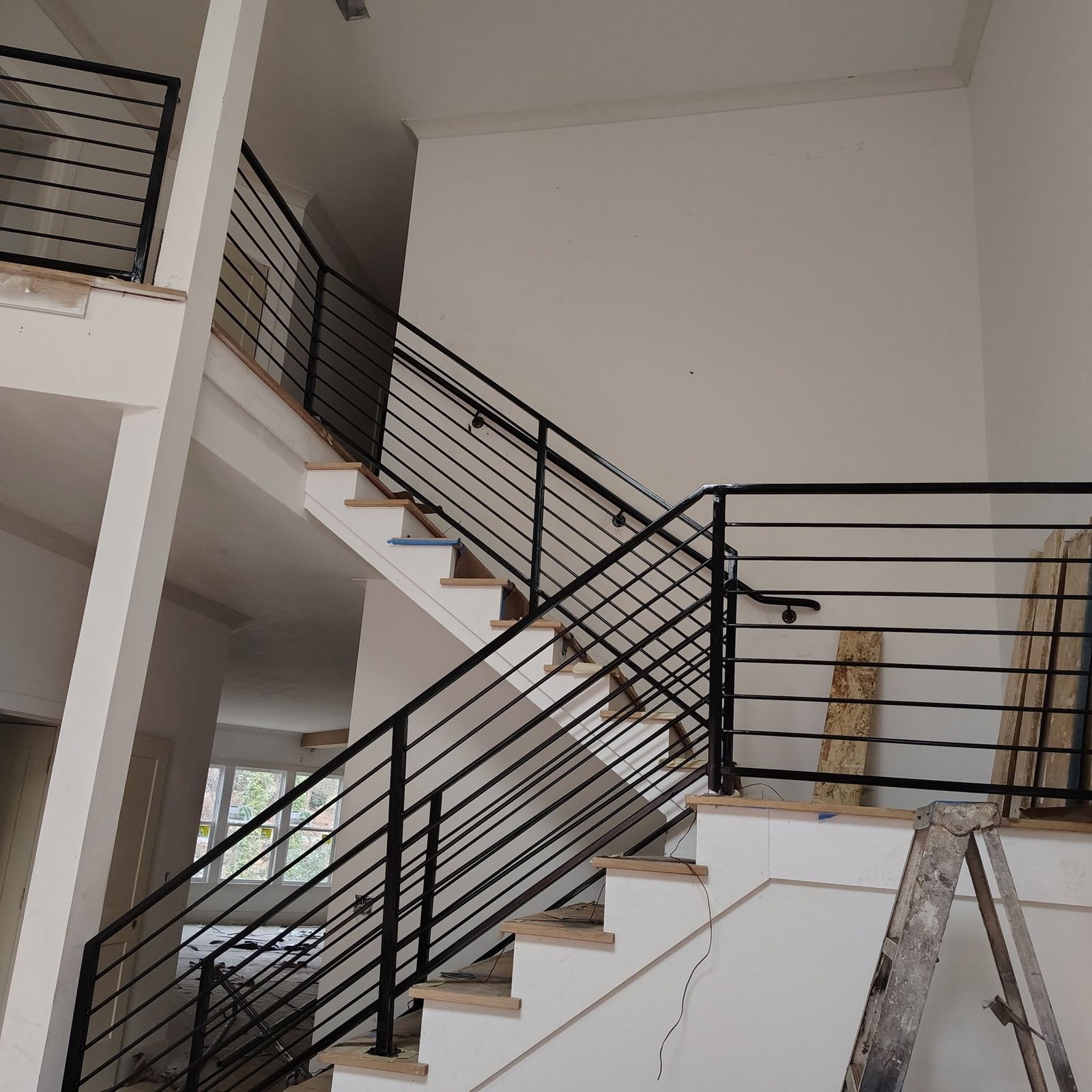
AAA Mobile Welding LLC offers mobile welding, repairs and custom metal fabrication. Share the project details through WhatsApp at 404-542-7049 to discuss your next step. If you are also planning new rails, read our custom railing guide. For a larger fabrication package, our project planning checklist explains how to organize drawings, dimensions, finish expectations and installation responsibilities.
Have a project in mind?
Share your photos and details with AAA Mobile Welding LLC.
Talk to us on WhatsApp